
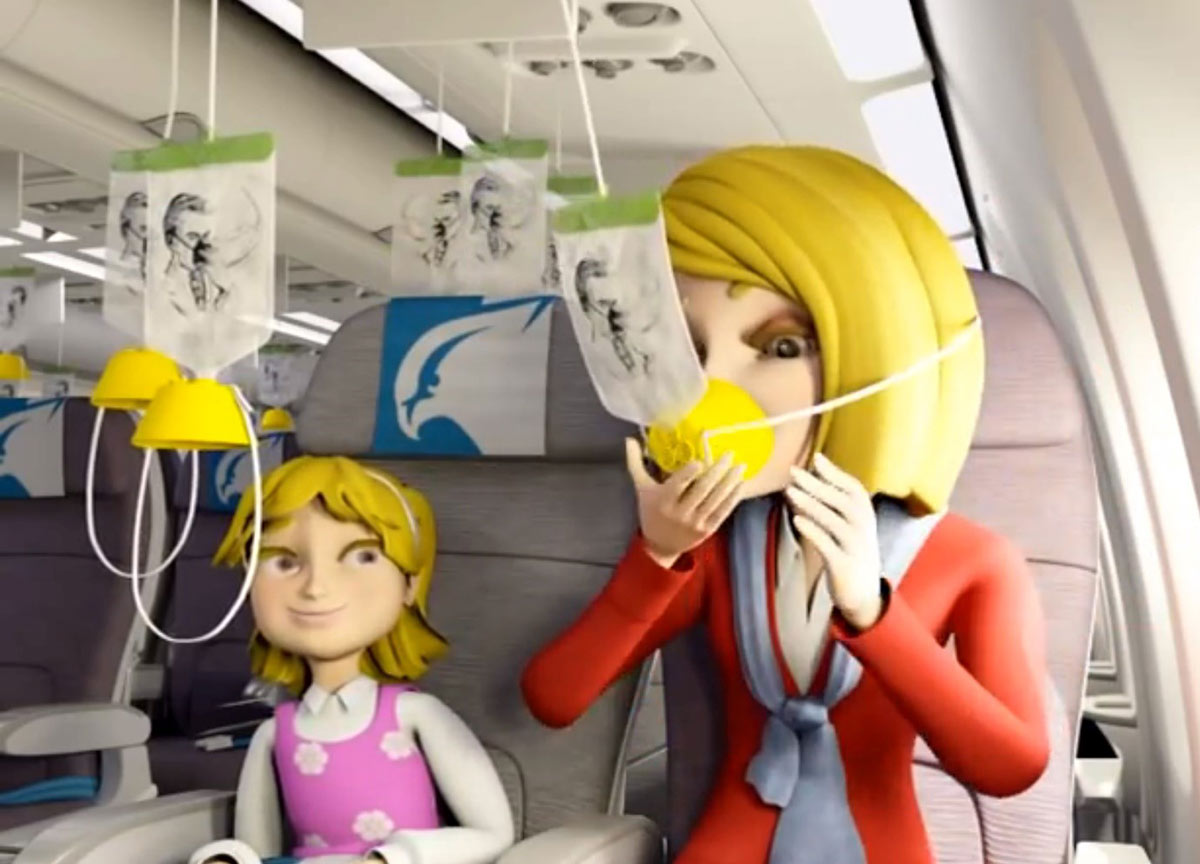
This was a message that I would give in my early career and still do. What does that mean?
When life and/or work as you know it suddenly turns upside down the changes keep coming, it will come at no surprise when I say those individuals who are not enjoying the jolting, fast pace and uncertainty of the roller-coaster will want to get off, as they are more likely to become overwhelmed. They will need their oxygen mask put on.
Personal crises and setbacks don’t stop just because you are riding the work roller-coaster and vice versa. Sometimes, it feels like there is nowhere to “hide”, no safe place.
You hear words like bounce back ability, pressure, handling it, stress, ability to cope, calmness, well-being, hard faced, tough, strong and resilience etc. All descriptors used to describe an individual’s response to a situation or a blanket term to describe them as individuals.
When I explain this bounce back ability, our resilience, I use the description of a bucket. Maybe you have heard it described this way, each of us (yes that is you and I) have a bucket for each one of life’s situations. They are all different sizes, my bucket for change and innovation is pretty large however, my bucket for air travel is pretty small. Some buckets fill up very quickly and will spill over, some get emptied regularly so they never overflow and some have holes in spilling all over the place. The trick is identifying what size your bucket is for different situations and how to manage its capacity.
As a side note in 2008, I conducted a piece of research within an organisation to identify future traits leaders within that company would need, either via natural tendency or we as professional would need to enable them (the leaders) to increase their capacity in. Phrased as “dusting yourself and others off after falling down”, resilience was one of them. Some critics didn’t like the term, it seemed to signify weakness. Odd… to me it signifies the opposite.
This is imperative! Before you can help others, you need to manage your own buckets. You need to put on your own oxygen mask first. We are not talking about spinning plates, that is a hole different analogy. Maintaining this bucket equilibrium is one of the most vital skills every leader needs to be a master of.
You can’t stop setbacks, even if you get off the roller-coaster, its about managing them. Managing your buckets.
So how can you manage your buckets? How do I put on my own oxygen mask (aka look after myself)? There are two sizes to the answer here, both extremely important and they bleed into one another so you can’t do one without the other. It is important to note that each of us has different buckets for different things therefore, the answer is going to be different for each of us. However, there are some headings to explore…
YOUR BODY
Get good quality sleep
Eat well
Keep hydrated (water not alcohol)
Exercise
Playfulness and joy
YOUR MIND
Identify bucket size and capacity
(there are some really insightful assessment tools out there)
Reflection Situation analysis
Mindfulness Review your network – interpersonal relationships
In summary: If you are feeling the pressure, it’s because your bucket is getting full. The really great thing about all of this is bucket identifying and exploring is that it gives you the permission to put on your own oxygen mask first, to help yourself. You cannot help others until you do. If you would like to discuss putting on your own mask and exploring your buckets then drop me a note.